

Introduction
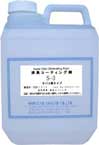
Introduction
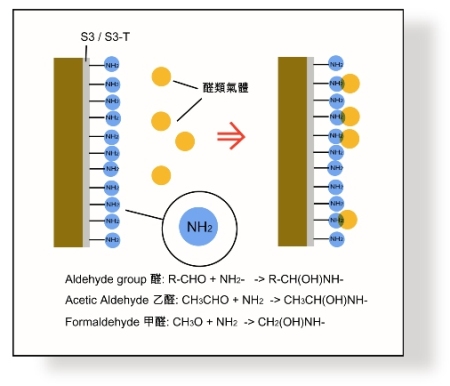
Unlike MV-6 and AB1's decomposition principle, S-3T uses ion conversion—no light needed. NH2 rapidly binds formaldehyde and VOCs permanently, stable even at 120°C. Especially effective for high formaldehyde concentration.
No light needed, S3-T has strong formaldehyde removal capability
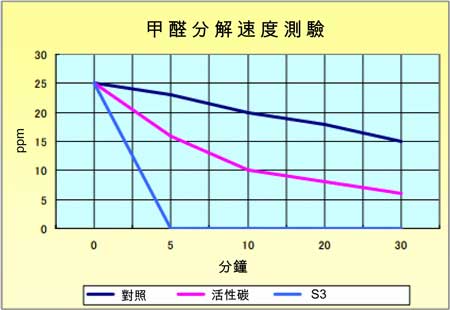
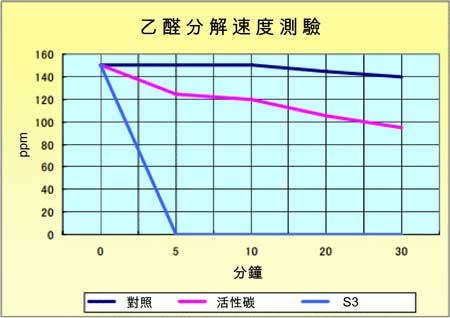
Stronger than premium activated carbon
Usage calculation
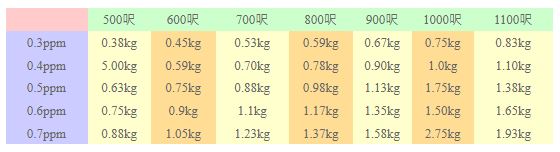
Application Guide
1. Ensure surface is clean, dry and free of grease before application. Do not use acidic or chlorine-based cleaners, or S3T-1 surface may turn white.
2. Wear eye protection, mask, gloves and other protective equipment during application.
3. Relative humidity over 85% is unsuitable for application.
4. Surface temperature must not exceed 50°C. Not suitable below 5°C.
5. Can be applied with roller, brush or spray gun. Spray gun uses least material and gives best finish. Test on small area first. Roller/brush not suitable for glossy furniture.
6. Generally no dilution needed for spray gun. For roller/brush, add distilled water as needed to increase coverage.
7. Follow manufacturer's recommended usage for best results.
8. For spray gun: recommended working pressure (0.88 MPa / 9.8 kg/cm²) or 2hp minimum.
9. Discharge rate: 60 litres/minute
10. Recommended spray gun: Anest Iwata LPH-50 or LPH-100 (nozzle: 0.4mm - 1mm)
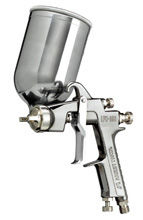
11. Pay attention to discharge rate and distance between gun and surface. Too high or too close causes droplets; too low or too far causes adhesion issues and waste.
12. First-time users can practice with water on glass to test discharge rate and distance. Ideal: thin film on glass with no droplets.
13. All Marusyo products are ready to use without adding water. Do not pour unused material back into container.
14. Initial dry: 15-60 minutes. Full cure: 48 hours
15. Final test: After initial dry, press black tape on coated surface. If white powder appears on tape, adhesion is poor—possibly due to unclean surface, distance too far, or excessive discharge.
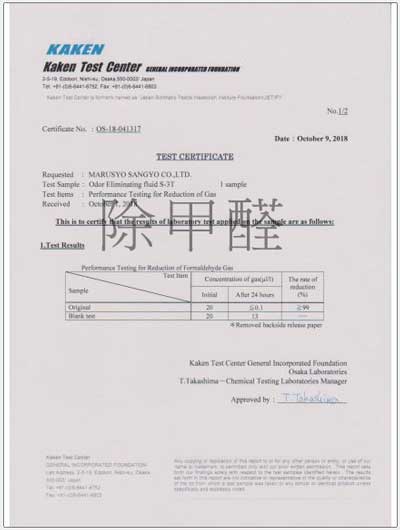
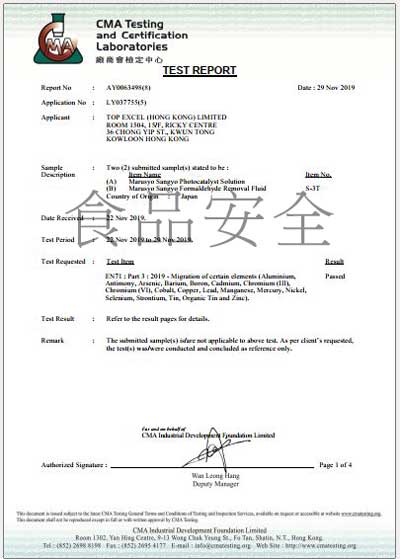
Test Reports
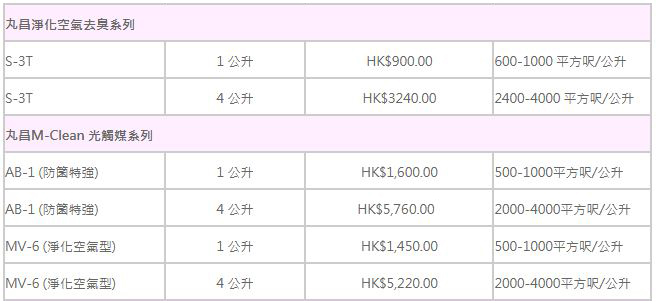
Pricing
Q&A
Like activated carbon, S-3T has limited capacity and will saturate. Refer to the usage calculation section for duration estimates.
CAP Global Ltd
Tel:852-3568 1719
Email:
info@cap-global.com.hk
Web:
www.cap-global.com.hk
Unit 1504, 15/F, Wah Kee Centre,
36 Chong Yip Street, Kwun Tong,
Kowloon, Hong Kong