
Introduction
Introduction
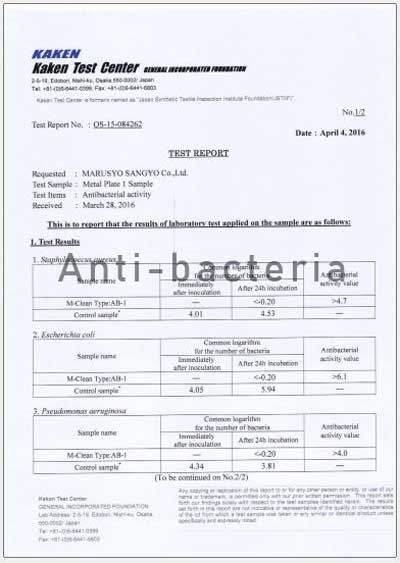
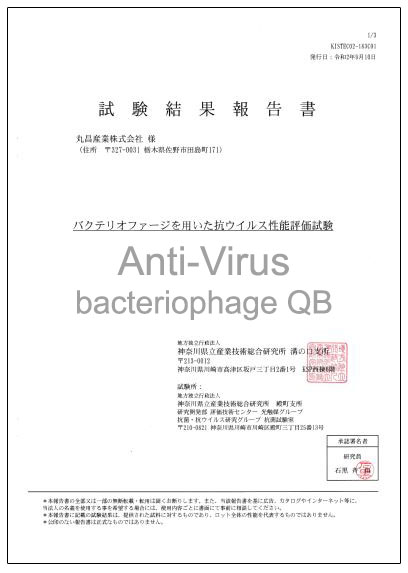
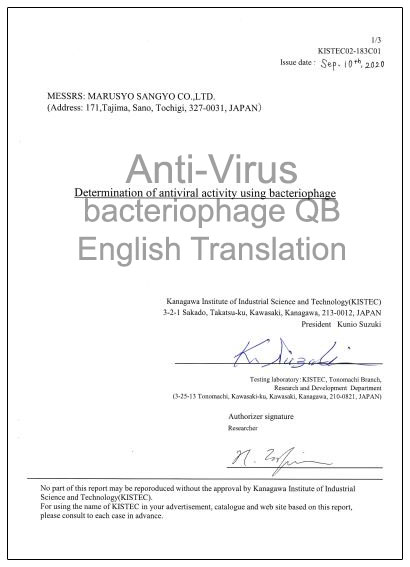
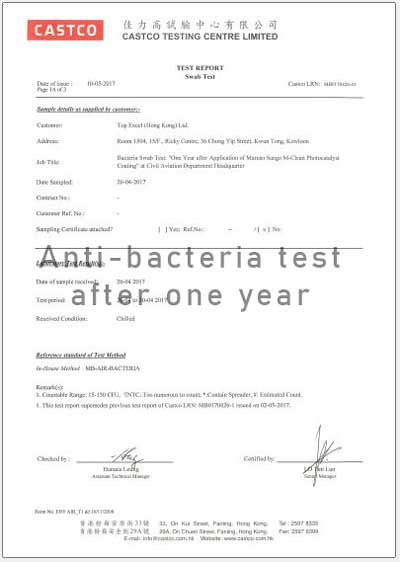
Photocatalyst AB1 contains 550nm visible-light photocatalyst that utilises half the energy of sunlight or artificial light, plus nano silver ions. Effectively combats COVID-19, flu virus and bacteria 24/7. Long-lasting efficacy.
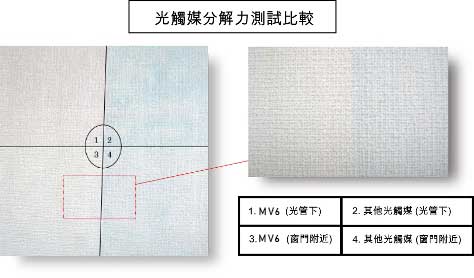
AB1 has strong decomposition capability indoors
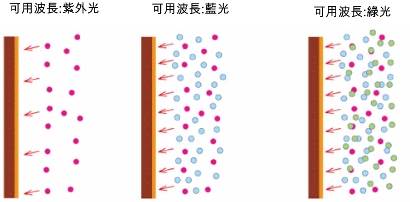
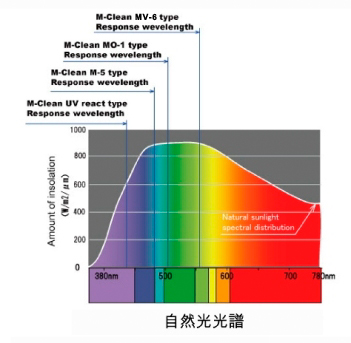
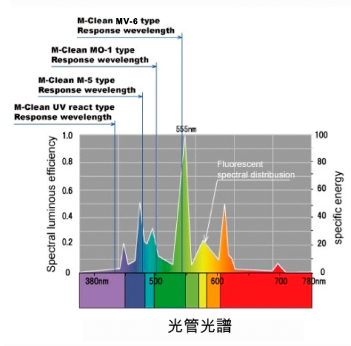
Contains nano silver ions, works in darkness
Application Guide
1. Ensure surface is clean, dry and free of grease before application. Do not use acidic or chlorine-based cleaners, or AB-1 surface may turn white.
2. Wear eye protection, mask, gloves and other protective equipment during application.
3. Relative humidity over 85% is unsuitable for application.
4. Surface temperature must not exceed 50°C. Not suitable below 5°C.
5. Can be applied with roller, brush or spray gun. Spray gun uses least material and gives best finish. Test on small area first. Roller/brush not suitable for glossy furniture.
6. Generally no dilution needed for spray gun. For roller/brush, add distilled water as needed to increase coverage.
7. Follow manufacturer's recommended usage for best results.
8. For spray gun: recommended working pressure (0.88 MPa / 9.8 kg/cm²) or 2hp minimum.
9. Discharge rate: 60 litres/minute
10. Recommended spray gun: Anest Iwata LPH-50 or LPH-100 (nozzle: 0.4mm - 1mm)
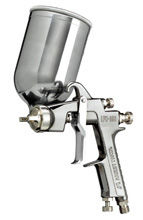
11. Pay attention to discharge rate and distance between gun and surface. Too high or too close causes droplets; too low or too far causes adhesion issues and waste.
12. First-time users can practice with water on glass to test discharge rate and distance. Ideal: thin film on glass with no droplets.
13. All Marusyo products are ready to use without adding water. Do not pour unused material back into container.
14. Initial dry: 15-60 minutes. Full cure: 48 hours
15. Final test: After initial dry, press black tape on coated surface. If white powder appears on tape, adhesion is poor—possibly due to unclean surface, distance too far, or excessive discharge.
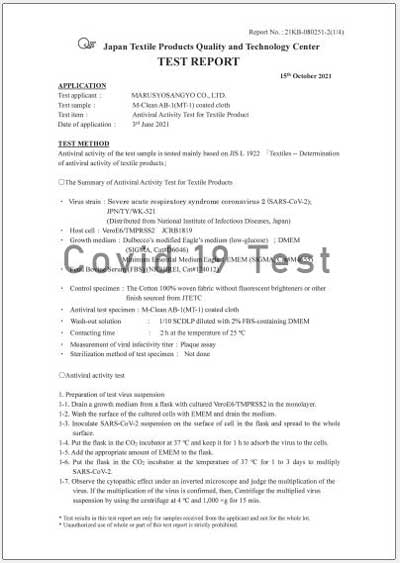
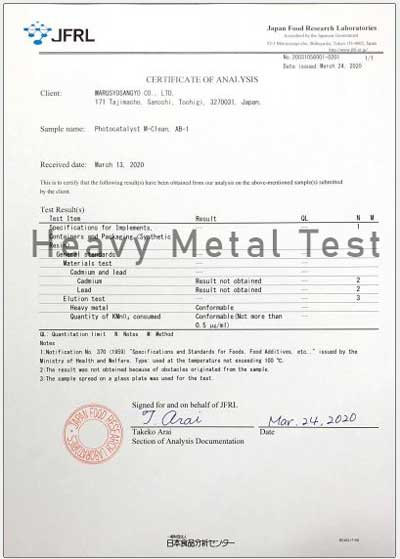
Test Reports
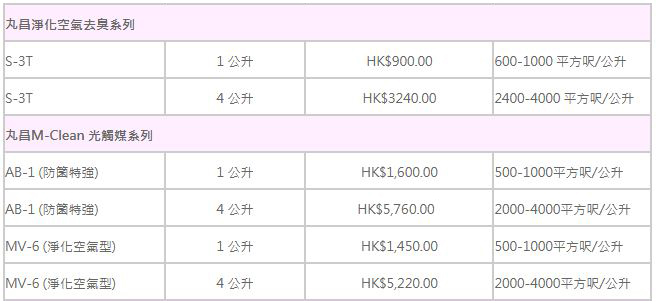
Pricing
Q&A
Yes. Hydroxyl radicals from photocatalyst break the bonds of organic gas molecules, accelerating decomposition and improving air purification. TiO2 has stronger oxidising power than ozone and negative ions; stronger adsorption than activated carbon and HEPA, plus bacterial decomposition. Lab tests show TiO2 deodorisation is 150× that of high-efficiency fibre activated carbon per cm²—equivalent to 500 carbon fridge deodorisers.
Common pollution sources:
1. Chlorine odour in tap water, mould from organic matter, carcinogenic chloromethane from chlorine-organic reactions.
2. Ammonia, acetaldehyde, acetic acid from cigarette smoke.
3. Formaldehyde from furniture, wallpaper, building materials.
4. Ammonia from urea and bacteria in toilets.
5. Petrochemical, plastic odours, fruit/vegetable decay (styrene, ethylene, propylene).
6. Drain odours (methyl mercaptan, hydrogen sulphide, etc.).
Our photocatalyst and air purification products can decompose these.
TiO2 is FDA-approved as safe for human use and widely used as an additive.
1. Food industry: white pigment, freezer/cold storage air treatment.
2. Cosmetics: sunscreen, UV protection.
3. Medicine: oral medication, cancer treatment.
4. Aquaculture: sterilisation.
5. Photocatalyst TiO2 produces hydroxyl radicals that react with organics to form harmless inorganic compounds.
First and second generation photocatalysts required UV (230-400nm) and were weak indoors. Marusyo's visible-light photocatalyst works under indoor lighting for sterilisation and VOC decomposition, with adsorbent particles to capture harmful substances for decomposition. Marusyo is both manufacturer and R&D; their products incorporate the latest technology.
For post-renovation odour, treating new furniture is often enough—most paints meet safety standards. DIY is most economical; your contractor can help. For whole-house application, professional spray is more efficient and even, but choose a reputable company—photocatalyst is transparent and hard to verify. Temporary VOC removal methods can cause odour rebound later.